Understanding and Correcting Aggressive Behavior in Dogs
Aggressive behavior in dogs is a concern for many pet owners. It can range from mild growling to serious attacks. Understanding the root causes is essential to addressing the issue effectively. With patience, knowledge, and proper training, aggressive tendencies can be managed or corrected. Positive reinforcement is more effective than punishment. Rewarding good behavior strengthens desired actions and builds confidence. Redirecting attention during moments of tension helps dogs learn alternative ways to respond. Over time, repeated practice develops lasting habits, enhancing safety and enjoyment for both dog and owner. Professional support is especially valuable for severe aggression.
Recognizing Signs of Aggression
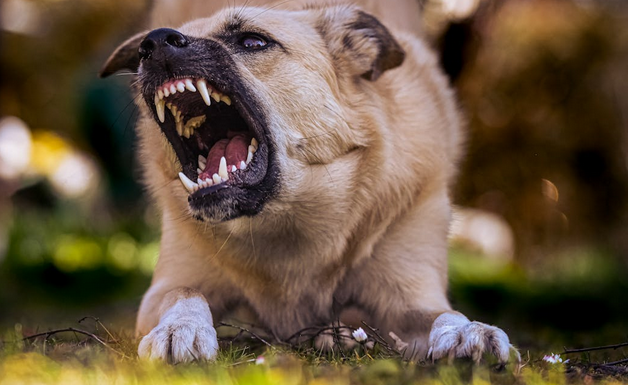
Aggression is not always obvious. Subtle signs include stiff posture, prolonged staring, raised hackles, or low growls. Barking, snapping, or lunging are more overt signs. Recognizing these early can prevent dangerous situations. Observing your dog closely helps in identifying triggers before escalation occurs.
Identifying Causes
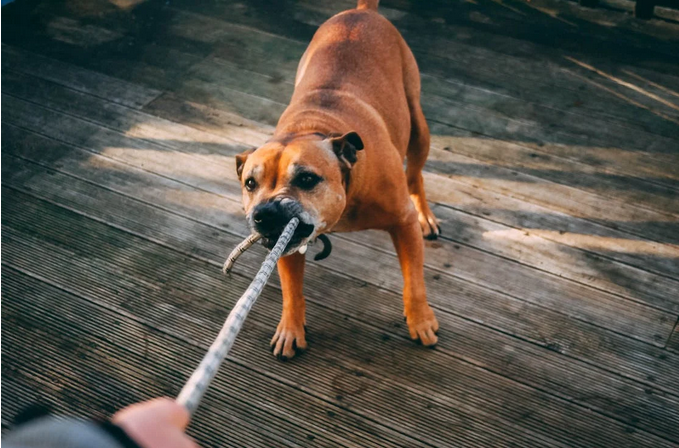
Aggression can stem from various sources. Fear and anxiety are common contributors, especially in puppies or newly adopted dogs. Territorial instincts, frustration, or resource guarding also play a role. In some cases, medical issues like pain or neurological disorders trigger aggressive behavior. Understanding the cause is the first step in creating an effective plan.
Knowing That Socialization Matters
Dogs that lack proper socialization often display aggressive tendencies. Exposure to different people, animals, and environments at a young age fosters confidence. Socialization teaches dogs to navigate situations without fear or hostility. Gradual, controlled introductions can reduce aggressive responses in unfamiliar circumstances.
Reinforcing Positive Training
Punishing aggression can worsen the behavior. Instead, reward-based training encourages desirable actions. Treats, praise, and affection reinforce calm, non-aggressive behavior. Redirecting a dog’s focus during tense situations helps teach alternative responses. Consistency is key to ensuring long-term improvement.
Managing Triggers
Every dog has unique triggers. Crowds, other dogs, or strangers may provoke aggressive responses. Observing patterns helps in managing these triggers. Avoiding or gradually exposing your dog to them under controlled conditions can reduce fear and reactive behavior. Planning walks or visits around triggers ensures safety for both dog and owner.
Seeking Professional Guidance
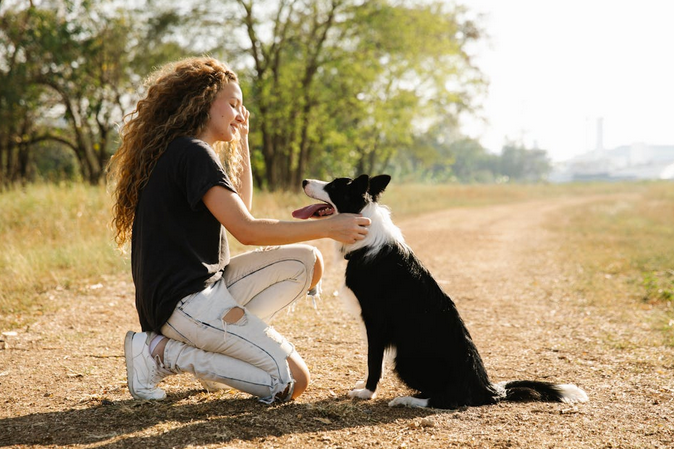
Some aggression requires professional intervention. Certified dog trainers or behaviorists have tools to address complex cases. They provide structured plans tailored to individual dogs. Professional guidance ensures that correction techniques are safe, effective, and humane. Seeking help early prevents escalation and strengthens the human-animal bond.
Creating a Safe Environment
Safety is paramount during aggression management. Use leashes, harnesses, or barriers when necessary. Never leave aggressive dogs unsupervised with strangers or other animals. A controlled environment allows training and exposure to occur without risk. It also helps the dog feel secure, which can reduce aggressive tendencies.
Showing Consistency and Patience
Correcting aggression takes time. Sudden changes or inconsistent training can confuse a dog and worsen behavior. Set realistic goals and celebrate small progress. Consistent routines, clear communication, and calm leadership encourage trust. Over time, your dog learns to respond appropriately in challenging situations. Aggressive behavior in dogs is complex, but understanding and patience make management possible. Recognizing signs early, identifying underlying causes, and applying consistent, positive reinforcement are fundamental steps. Socialization, controlled exposure to triggers, and professional guidance further support behavioral improvement.
A safe environment ensures that training occurs without risk, and consistency fosters trust and comprehension. Aggression is not a flaw but a signal that the dog needs guidance, confidence, or reassurance. Thoughtful intervention transforms a challenging situation into an opportunity for growth and bonding. Dogs communicate through body language and behavior. Observing these signals and responding appropriately prevents escalation. Each dog’s aggression has a unique context, and addressing it requires a tailored approach. Understanding the “why” behind the behavior allows owners to create effective strategies that nurture calm and positive responses.