

How to Handle Common Dog Behavior Issues
Dogs bring joy, companionship, and loyalty to our lives, but they also come with their unique behaviors, some of which may challenge even the most patient pet owners. Comprehensive Dog Care Tips and Tricks are available online, but it does not always solve certain problems. Understanding the root causes of these issues and employing effective strategies can transform your dog into a well-mannered and happy companion. Below is a guide to addressing common dog behavior problems, making your journey as a pet owner smoother and more rewarding.
Barking a Lot
Barking is a natural form of communication for dogs, but it can disrupt your household and strain neighborly relations when it becomes excessive. Common triggers include boredom, fear, excitement, or the need for attention. To manage this, identify the underlying cause of the barking. If your dog barks out of boredom, increase physical and mental stimulation through walks, playtime, or puzzle toys. If the barking is fear-based, work on desensitizing your dog to the stimuli by gradually exposing them to the trigger while rewarding calm behavior. Consistent training commands such as “quiet” or “enough” paired with positive reinforcement can also help establish boundaries.
Being Aggressive
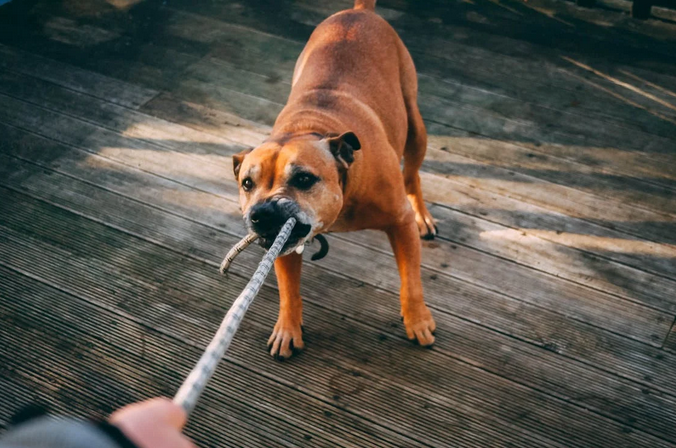
Aggression in dogs can manifest as growling, snapping, or biting and may stem from fear, territoriality, or frustration. Addressing aggression promptly and safely is crucial, as it can pose risks to humans and other animals. Start by consulting a professional dog trainer or behaviorist to evaluate the cause. Avoid punishment, as this can exacerbate aggression. Instead, prioritize building trust through positive reinforcement training. Gradually exposing your dog to triggering situations in a controlled manner can help reduce their aggressive reactions over time.
Refusing to Be Left Alone
Dogs are social creatures, and many struggle with being left alone, leading to destructive behaviors, excessive barking, or even attempts to escape. Create a consistent routine to help your dog feel secure and alleviate separation anxiety. Practice short departures and gradually extend the time you are away. Provide engaging distractions, such as interactive toys or treats, to keep your dog occupied in your absence. If the anxiety persists, seek advice from a veterinarian, as medications or specialized training may be required in severe cases.
Chewing
While chewing is a natural habit for dogs, it can become problematic when directed at furniture, shoes, or other inappropriate items. Chewing often occurs out of boredom, teething, or anxiety. Redirect your dog’s chewing instincts by providing durable chew toys made for their size and breed. Store personal items out of reach, and use deterrent sprays on furniture or other surfaces your dog targets. Ensure your dog receives adequate physical exercise and mental stimulation to reduce destructive tendencies.
Jumping on People
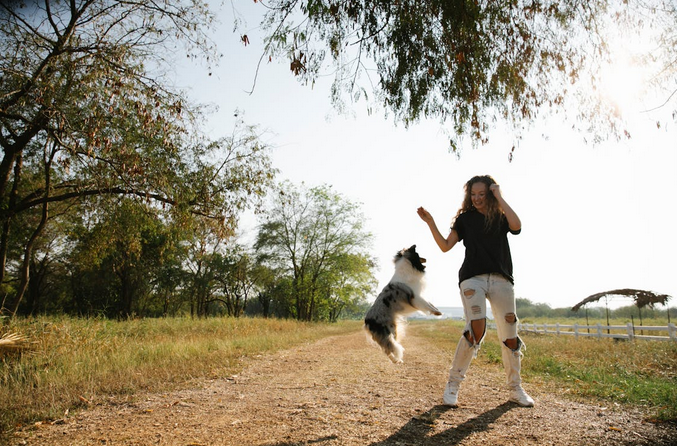
Jumping is a dog’s way of seeking attention or expressing excitement, but it can be overwhelming or even dangerous for small children and older adults. To curb this behavior, ignore your dog when they jump by turning away and withholding attention. Reward calm, four-paws-on-the-floor behavior with praise or treats. Teach an alternative behavior to replace jumping. Consistency is key, as mixed signals can confuse your dog.
Digging
Digging can be a natural instinct for canines, especially certain breeds like terriers, but it can wreak havoc on your yard. Dogs dig to cool off, hide toys, or alleviate boredom. Provide a designated digging area, such as a sandbox, where your dog can satisfy their instincts. Bury toys or treats in this area to encourage its use. If digging occurs elsewhere, supervise outdoor time and redirect your dog to the approved spot. Ensuring your dog is adequately exercised can also reduce unwanted digging.
Addressing common dog behavior issues requires patience, understanding, and a commitment to positive training methods. By pointing out the root causes and taking proactive steps to manage these challenges, you can build a stronger bond with your dog and create a harmonious living environment.







 No matter how beautiful a specific card design looks if you choose it first and then a photo later, it will hardly look as best. You will realize that the image will not fit well based on how the card has been designed. You might end up having weird-looking Christmas cards, which can force you to begin the entire process all over again.
 The best way to avoid having issues with photos not fitting with the Christmas cards is taking photo inspiration from the same cards you want to use. Pay great attention to the pictures on the cards as this can give you’re a clear idea of how you should take your photos. The background alone in the cards can help you plan on where you should take your Christmas photo.
 You should note that industry 4.0 is not only about investing in new tools and technology to improve manufacturing efficiency. Rather it is about revolutionizing the way businesses grow and operate. Ideally, industry 4.0 spans across the complete life-cycle of a product and the supply chain. Every stakeholder shares informed, up-to-date information on business and production business. These are Five impactful initiatives to catch up with industry 4.0 leaders. The following are some benefits of adopting an industry 4.0 model.
 If potential issues are left without being addressed, they are likely to become big problems. Real-time data, predictive analytics, automation, and internet-connected machinery can help you become more proactive as far as addressing and solving supply chain, and maintenance issues are concerned.